Pay in installments of $5.39 with
 ,
,
 and
and

Shipping Estimate
USA
- USA
- CAN
- USA
- CAN
Ships within 48 hours · Estimated delivery Jun 29 - Jul 4
 Promo Codes Available:
For Your Every Summer RSVP, with Code: SUMMER15
Description
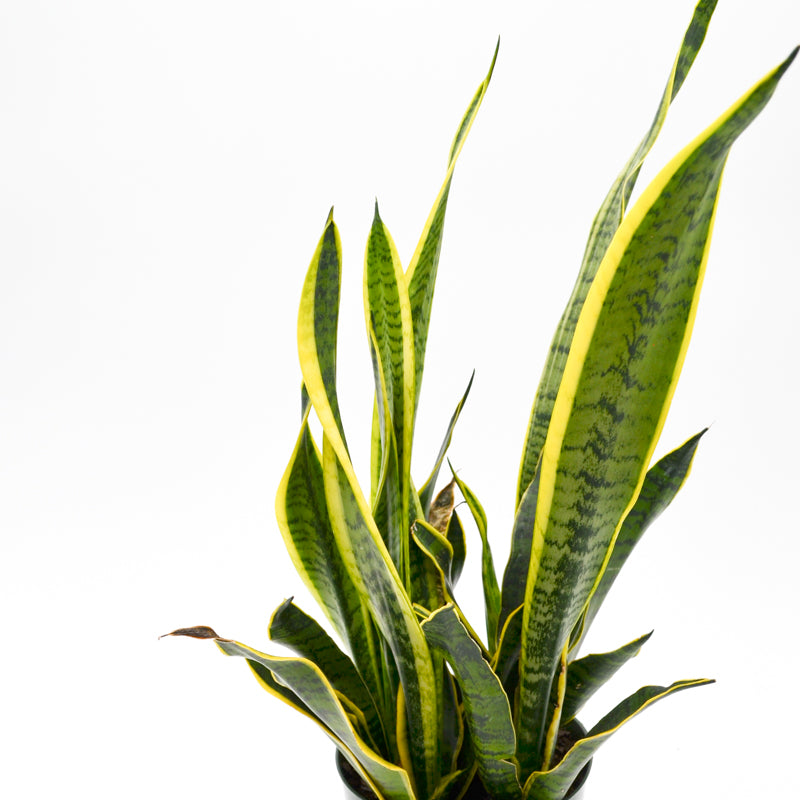
yellow snake plant 6 Inch Snake Plant Sansevieria Laurentii - Live Air Purifying HouseplantSnake plants (Sansevieria), also known as mother in law's tongue or snake tongue, are low maintenance houseplants with striking, upright leaves. They are perfect for beginners and busy plant owners, as they can tolerate a wide range of conditions. Follow these care instructions to keep your snake plant healthy and thriving: Light: Place your snake plant in a location with bright, indirect light. Snake plants can also tolerate low light conditions,
Snake plants (Sansevieria), also known as mother-in-law's tongue or snake tongue, are low-maintenance houseplants with striking, upright leaves. They are perfect for beginners and busy plant owners, as they can tolerate a wide range of conditions. Follow these care instructions to keep your snake plant healthy and thriving:
-
Light: Place your snake plant in a location with bright, indirect light. Snake plants can also tolerate low light conditions, making them suitable for rooms with less natural light. They can withstand some direct sunlight, but prolonged exposure to intense sun can cause leaf scorching.
-
Water: Snake plants are drought-tolerant and prefer to be on the drier side. Water your plant only when the top 2-3 inches of soil feels dry to the touch. Water thoroughly until it drains from the bottom of the pot, and then allow the excess water to drain completely. Overwatering can lead to root rot, so it's essential to avoid soggy soil.
-
Humidity: Snake plants can tolerate average indoor humidity levels. They do not require additional humidity, making them low-maintenance in this aspect.
-
Temperature: Maintain a temperature range of 65-85°F (18-29°C) for optimal growth. Snake plants can tolerate a range of temperatures but avoid exposing them to temperatures below 50°F (10°C) or sudden temperature changes.
-
Fertilizer: Feed your snake plant with a balanced liquid fertilizer every 6-8 weeks during the growing season (spring and summer). Use a half-strength solution to avoid over-fertilizing. There is no need to fertilize during the fall and winter months.
-
Pruning: Pruning is generally not necessary for snake plants, but you can remove any yellow, brown, or damaged leaves as needed. Use clean, sharp scissors or pruning shears to make a clean cut at the base of the leaf.
-
Repotting: Repot your snake plant every 2-3 years or when the roots outgrow the pot. Choose a well-draining potting mix and a pot that is 1-2 inches larger in diameter than the current one. Be gentle when handling the roots, and water the plant thoroughly after repotting.
-
Pest control: Snake plants can occasionally attract pests such as spider mites, mealybugs, and scale insects. Treat any infestations with insecticidal soap or neem oil, following the manufacturer's instructions.
Pet-friendly or toxic to pets?
According to the ASPCA, snake plants (Sansevieria) are considered toxic to both cats and dogs. If ingested, they can cause symptoms such as nausea, vomiting, and diarrhea due to the presence of saponins. To keep your pets safe, it's best to place the snake plant in an area that is inaccessible to them. If you suspect your pet has ingested any part of a snake plant, contact your veterinarian immediately.
Shipping Notes
- Free Standard Shipping on $100+ Orders to the USA.
- Except Preorder products are shipped in 48 hours.
- Delivery to the USA:
- Standard Shipping : 3-10 business days
- If time is of the essence, please consider selecting expedited delivery for faster service.
Exchange/Return Notes
- We offer a 30-day return/exchange service after receiving.
- Final sale items are not eligible for returns or exchanges.
- To process your return/exchange, please contact us at [email protected]
- Please click here for more details>>> Return & Exchange Policy